Frequent questions
What are the main markets to visit in Seoul?
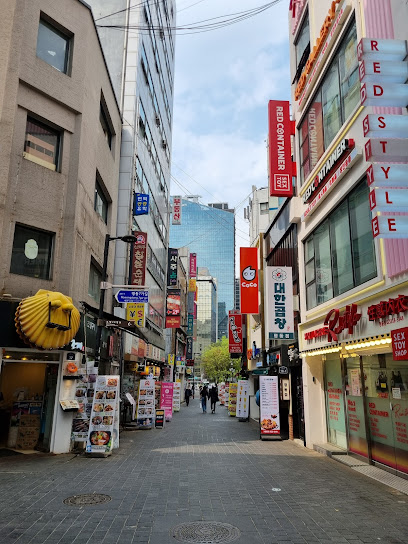
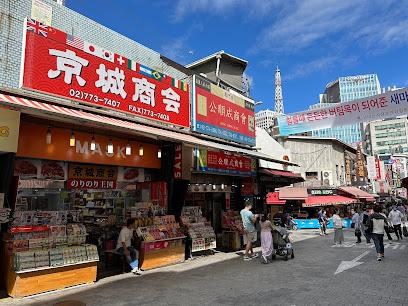
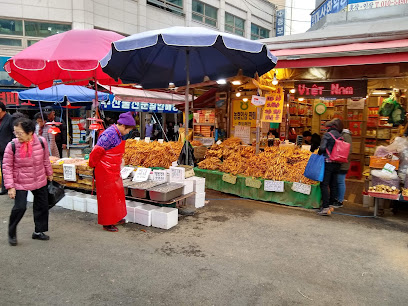
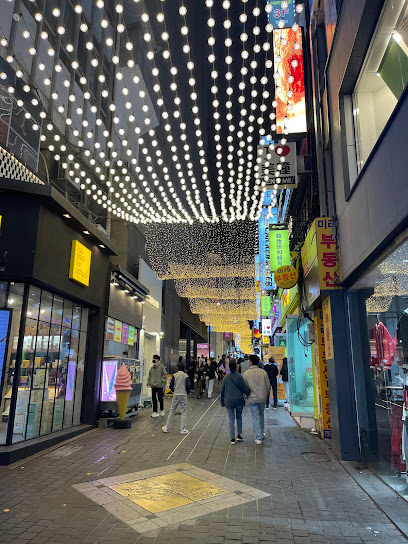
Seoul is renowned for its vibrant markets that offer a variety of goods and experiences for visitors. Among the must-visit markets in the city are Gwangjang Market, known for its traditional Korean street food and textiles, and Dongdaemun Market, a shopping mecca featuring both wholesale and retail stores. Another popular market is Myeongdong, which is famous for its fashion boutiques and beauty products. For those looking for a more traditional market experience, the Namdaemun Market offers everything from clothing to souvenirs.
What can I buy at the markets in Seoul?
Seoul markets offer a wide range of goods for sale, catering to all kinds of interests. Visitors can shop for Korean beauty products at places like Myeongdong, while food lovers can explore the street food stalls at Gwangjang Market. Dongdaemun Market is the place to go for fashion items, with both Korean and international brands available. Visitors can also find traditional Korean handicrafts, hanboks (traditional Korean clothing), and unique souvenirs at markets like Insadong and Namdaemun.
Are the markets in Seoul open every day?
Most markets in Seoul are open daily, but it's essential to check the specific market's operating hours before visiting. Gwangjang Market, for example, is typically open from early morning until late at night, while some markets like Dongdaemun have specific opening and closing times. The bigger markets in Seoul, such as Namdaemun Market and Myeongdong, are open seven days a week, making it convenient for visitors to explore and shop at their leisure.
How can I navigate the markets in Seoul as a non-Korean speaker?
While English may not be widely spoken at all markets in Seoul, many vendors and shop owners in popular areas like Dongdaemun, Myeongdong, and Insadong are accustomed to dealing with foreign visitors. It can be helpful to learn a few basic Korean phrases or use translation apps to communicate with vendors. Additionally, many products at the markets are displayed with prices, making it easier for non-Korean speakers to shop without having to negotiate verbally. Most markets also have signs in English, making it easier for visitors to navigate and find their way around.
 #1