Frequently asked questions
What are some popular vegan restaurants in Seoul?
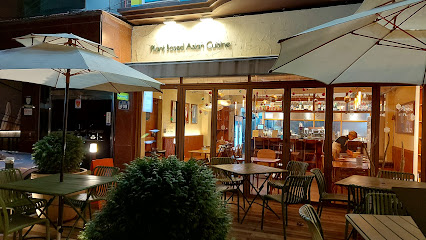
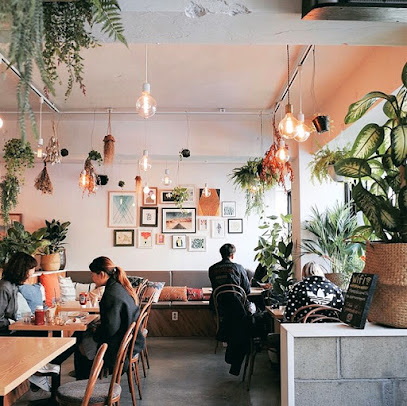
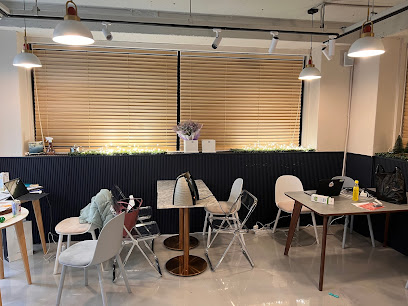
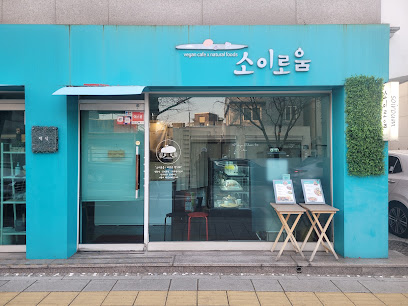
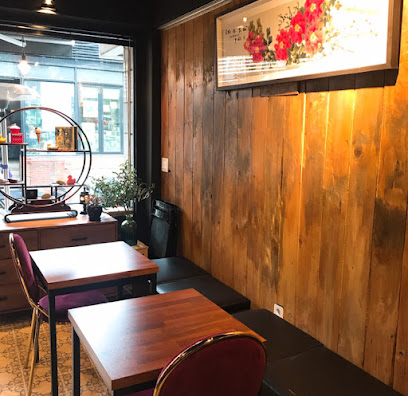
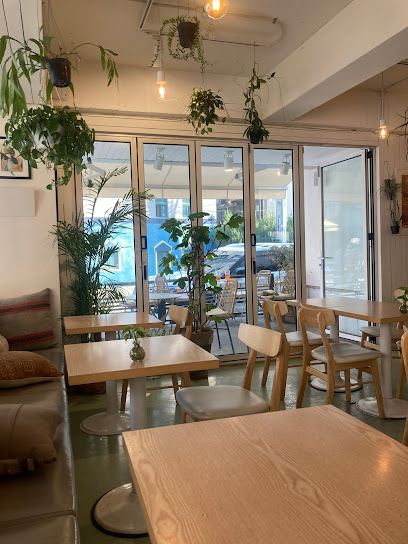
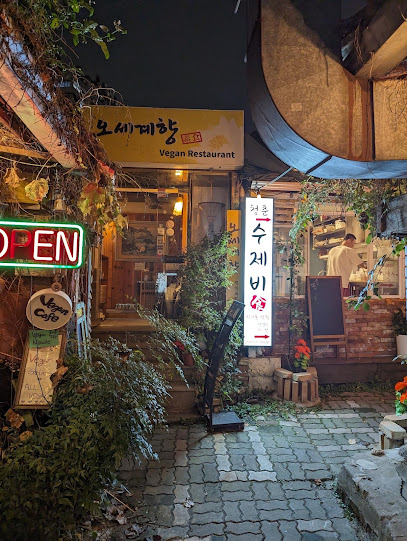
Seoul, South Korea, is home to a growing vegan food scene, with numerous restaurants catering to plant-based eaters. Some popular vegan restaurants in Seoul include Plant, Oh Se Gae Hyang, and Balwoo Gongyang. Plant offers a variety of dishes made with fresh, locally sourced ingredients, while Oh Se Gae Hyang specializes in traditional Korean cuisine with a vegan twist. Balwoo Gongyang is known for its sophisticated Buddhist temple cuisine, showcasing the delicate flavors of seasonal vegetables. Other notable vegan restaurants in Seoul include Huggers, which serves up delicious wraps and sandwiches, and Next Door, known for its inventive fusion dishes. These restaurants provide diverse options for vegans and non-vegans alike, showcasing the creativity and flavor of plant-based cuisine in Seoul.
How easy is it to find vegan options in Seoul?
Finding vegan options in Seoul has become increasingly easier over the years, thanks to the growing awareness of plant-based diets. Many traditional Korean dishes can be easily modified to be vegan by omitting meat or seafood and using alternative ingredients like tofu and mushrooms. Restaurants in Seoul are also becoming more accommodating to vegans, with many offering dedicated vegan menus or dishes. In addition to vegan restaurants, Seoul also has a burgeoning vegan street food scene, with vendors selling plant-based snacks like mandu (dumplings), hoddeok (sweet pancakes), and tteokbokki (spicy rice cakes). Convenience stores and supermarkets in Seoul also carry a variety of vegan-friendly products, making it easier for vegans to find options for cooking at home.
Are there traditional Korean dishes that are vegan?
While Korean cuisine is known for its reliance on meat and seafood, there are several traditional dishes that are naturally vegan or can be easily modified to be vegan. Bibimbap, for example, is a popular Korean rice bowl dish that can be made vegan by omitting the egg and meat, and replacing it with tofu or extra vegetables. Kimbap, a type of Korean sushi roll, can also be made vegan by using ingredients like pickled radish, vegetables, and tofu. Other traditional Korean dishes that can be veganized include japchae (stir-fried glass noodles), banchan (side dishes like kimchi and pickled vegetables), and gujeolpan (nine-sectioned plate with various vegetables and wraps). By exploring the rich culinary heritage of Korea, vegans can discover a wide range of flavorful and satisfying dishes that celebrate the abundance of plant-based ingredients.
How can I navigate language barriers when dining at vegan restaurants in Seoul?
While dining at vegan restaurants in Seoul, language barriers can sometimes be a challenge for non-Korean speakers. However, many vegan restaurants in Seoul have English menus or staff members who speak English, making it easier for international visitors to communicate their dietary preferences. It's also helpful to learn some basic Korean phrases related to veganism, such as "chae-sik" (vegetarian) and "mi-eo-ga taboyo" (I don't eat meat). If you're unsure about whether a dish is vegan, you can always ask the staff for clarification by saying "Is this dish vegan?" or "Does this dish contain any meat or animal products?" Being polite and patient while communicating your dietary needs can help ensure a positive dining experience at vegan restaurants in Seoul.
 #1