Frequently asked questions
What is Halal food?
Halal food refers to food and drinks that are permissible for consumption by Muslims under Islamic law. The concept extends beyond just meat products and includes all types of food, beverages, and even the way the animals are slaughtered. In order for food to be considered halal, it must meet specific criteria outlined in Islamic teachings. Halal food must not contain any pork or its by-products, as pigs are considered impure in Islam. Additionally, any meat consumed by Muslims must be slaughtered by a Muslim who utters the name of Allah before the act of slaughtering. This process is known as Dhabiha. In terms of beverages, alcohol is strictly prohibited in Islam, so any drink containing alcohol would not be considered halal. It is important for Muslims to consume halal food to ensure they are following the guidelines set forth in the Quran and Sunnah.
Where can I find Halal food in Seoul?
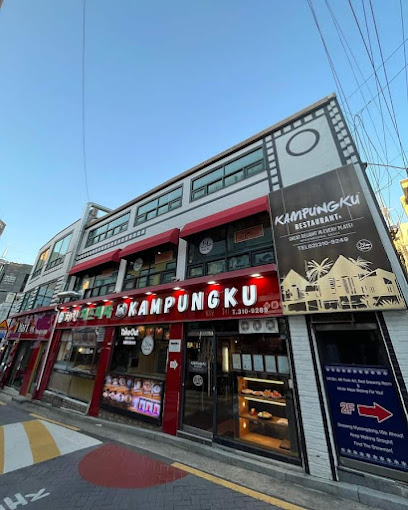
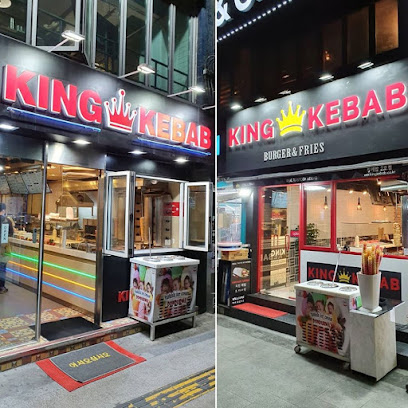
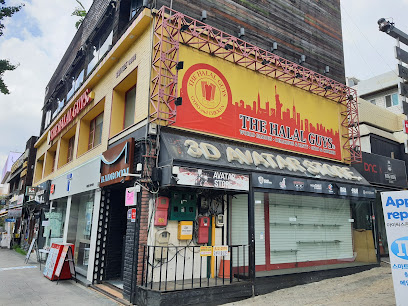
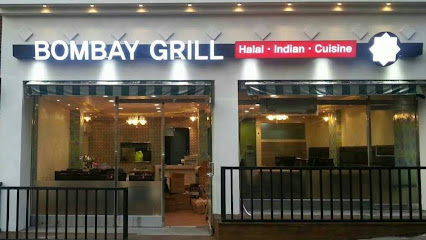
Finding Halal food in Seoul has become easier in recent years due to the growing number of Muslim residents and tourists in the city. There are several restaurants in Seoul that are certified as halal, serving a variety of cuisines including Korean, Middle Eastern, Pakistani, and more. One of the easiest ways to find halal food in Seoul is to search for restaurants that display halal certification from recognized organizations. In addition to restaurants, there are also halal grocery stores and markets in Seoul where you can purchase halal ingredients to cook your own meals. Some popular areas in Seoul known for a concentration of halal restaurants include Itaewon, Dongdaemun, and COEX Mall. These areas cater to the diverse needs of Muslim residents and visitors, offering a range of halal dining options.
Are there Halal options for street food in Seoul?
While street food in Seoul may not always be labeled as halal, there are still plenty of halal options available for those looking to enjoy the vibrant street food culture of the city. Muslim visitors can look for specific street vendors that offer halal versions of popular Korean snacks and dishes. Some popular halal street food options in Seoul include tteokbokki (spicy rice cakes), gimbap (rice rolls), and hotteok (sweet pancakes). Vendors that cater to the halal market will usually display halal signs or labels to indicate that their food meets Islamic dietary guidelines. It is important for Muslim visitors to exercise caution and ask vendors about the ingredients used in their food to ensure that it is halal. By doing a bit of research and seeking out halal-friendly vendors, visitors can still enjoy the unique and delicious street food that Seoul has to offer.
How can I ensure that a restaurant serves truly Halal food in Seoul?
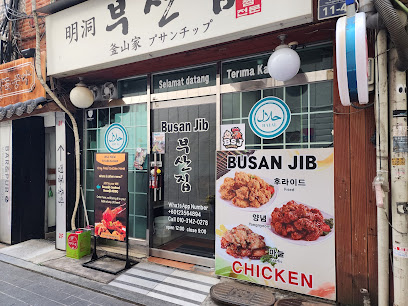
When dining out in Seoul and looking for Halal food, there are a few ways to ensure that a restaurant truly serves halal food. One of the most reliable methods is to look for a halal certification displayed by the restaurant, indicating that they have been verified by a recognized halal certifying body. Another way to verify the authenticity of halal food in a restaurant is to ask the staff about their sourcing and preparation methods. A truly halal restaurant will be transparent about where they source their ingredients from and how they prepare their dishes according to Islamic dietary guidelines. Additionally, Muslim visitors can ask if the restaurant's kitchen is segregated to prevent cross-contamination with non-halal ingredients. By taking these precautions and doing a bit of research beforehand, visitors can enjoy a worry-free dining experience in Seoul while adhering to their halal dietary requirements.
 #1